How to hit jumps on skis
Hitting jumps on skis and getting that nice hang time in the air is the best thing about skiing. Hitting jumps on skis can be scary and hard to begin with if you don't know how to get started. However, that's why you're here reading this, right? To change all that and start hitting those jumps on skis!

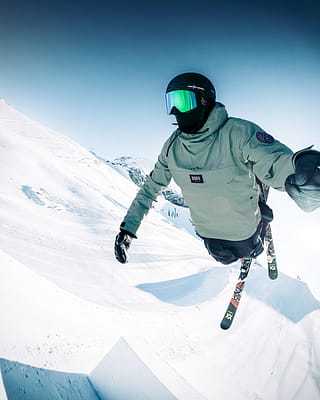
Let's kick exhilaration into high gear and dive into mastering the art of ski jumps! Infusing a touch of daredevil spirit, coupled with skill and technique, there's no better way to elevate your skiing experience.
If you are still building your foundational skills, our first time skiing beginners guide covers the essentials you should master before hitting the jumps.
Gear up for the perfect jump
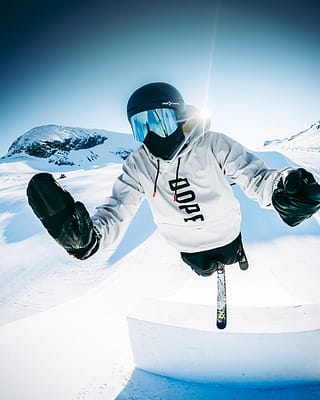
Just like perfecting your ski jumping technique, suiting up rightly is critical before you venture out for conquering the slopes. A seamless blend of style, modernity, and functionality is the mantra. Our men's ski bibs and women's ski bibs embody this mantra by striking the perfect balance between high-performance and fashion-forward ski gear. These pieces are ideal for those daring kickers and ensure agile, graceful movement downhill. Possessing this arsenal in your ski gear wardrobe, undoubtedly, the ski jumps will start to feel less daunting and much more achievable.
Why practice technique?
You can get airtime without any technique if you approach a jump or a kick with enough speed. But with a little bit of technique and timing, you will get a lot more airtime and a lot more control at the same time; worth it right?
So if you are willing to put in a little work before hitting the jumps on skis, our skiing tips for intermediates can help sharpen your overall technique.
So let’s dig into how you should get started to hit jumps on skis!
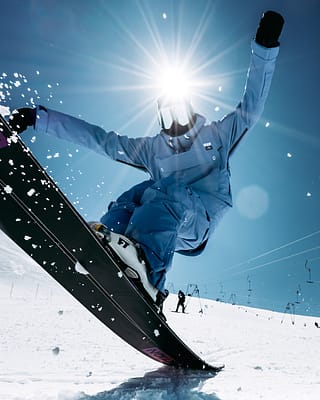
It all starts with a Pop. This is the technique you will learn today which will make you able to hit jumps of all sizes and add all the grabs and tricks you can imagine.
A pop is basically similar to a normal jump you would do standing still, jumping straight up. But since we have skis, ski boots and speed towards a kicker we need to practice timing and technique to be able to apply this to hitting kickers.
How to pop in a jump
When you approach the kicker, bend your knees slightly. But make sure to not lean backwards This can give you faulty balance and to much back tilt in the air. Which will make for a bad landing. It is all about timing.
When your toes are leaving the kicker, your legs should be completely extended. This will not only give your more height, but also make sure that you get a bit of forward lean. Which will make your landing easier.
Practice the pop before hitting jumps
Now when you know what a pop is, let’s practice it before we even hit the jumps.
Begin with finding a flat surface where you can practice to pop with your skis and ski boots on while standing still.
Start from a standing position. Bend your legs slightly, keep your arms a bit in front of your body.
Jump up from the bent position with as much power you can, until your legs are completely straight, squeeze your butt and let the momentum lift you off the ground.
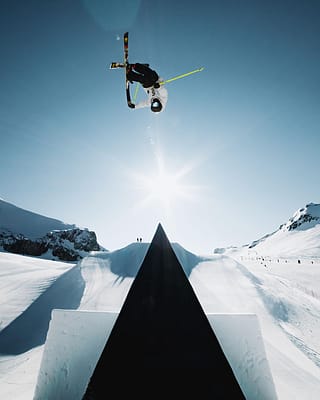
Now when you are able to jump with your skis on standing still it is time to practice the timing of the jump before we take it to the kicker. Just be a bit patient, not long now before its time to hit the actual jumps!
As mentioned earlier, your legs should be straight as your toes leave the kicker. And keep in mind we are talking about your toes and not the front of your skis.
To practice this, you should find a gentle slope where you can draw lines in the snow. Start going down the slope and do the same procedure as you practiced standing still but now with a little bit of speed.
Just as your toes cross the line you draw in the snow, that is the moment you should have fully extended legs and lift off the ground. So start bending your legs before the line so you have time to pop with just the perfect timing.
Timing can take a few tries to nail, and a whole lot of practice to get perfect. Make sure to give it as many tries you need in order to time the pop good every time before you take it to the kicker.
Video tutorials can be helpful!
In this video from stompittutorials.com you can follow the progress from practicing pop without skis to hit bigger jumps. Many of the steps mentioned in this article is also showed in the video.
Make sure that you have your arms in front of you the whole time. Also, note that your skis should be completely lifted off the ground. No dragging tails, which is quite common in the beginning.
If your tails are dragging, solve this by putting more power into your pop and making sure that your legs are fully extended when you lift off. Now when you are able to time your jump and pop enough to lift completely off the ground, it’s time to hit some small jumps.
Jumping small kickers and side hits
Side hits are a great way to get started, not only are they usually quite small and gentle to jump from, but you can find a lot of them throughout almost every resort.
You can also go straight for the kickers if there are small kicks and jumps in the park of your resort.
Now it is time to drill! Give the side hits and small kickers a lot of jumps, make sure that you are able to time your pop every jump.

You should land with a slight forward lean and with your full ski touching the snow simultaneously. You should not land on your tails or nose.
If this happens, practice the timing of your jump more and make sure that your legs are fully extended when you leave the kicker.
If you are not able to reach the landing, take a bit more speed. Safety matters when you are launching off kickers, so reviewing the protective equipment for freeride skiing is a smart move before you start.
Time for the bigger jumps
When you have drilled a lot of small jumps and side hits to the point that you feel confident and nail the timing of every jump, it is time to take it to the bigger jumps! Wop wop!
Going for bigger kickers can feel scary at first, but the landings are usually more comfortable than small jumps. So do not hesitate and do not go too slow.
Then you just do the precise same thing you practised on the small jumps. But in the air, you can also tuck a little bit.
This will give you better balance in the air, and practising getting this right from the start will ensure that you are in a better position for grabs and tricks later on in your skiing career.
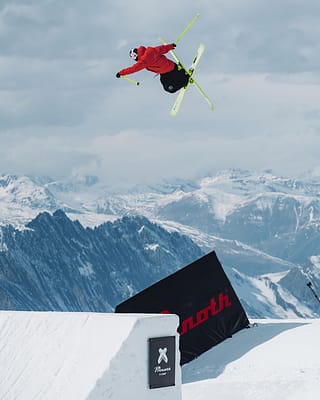
How to add grabs to your jumps?
As you get confident doing straight jumps, check out our breakdown of easy air tricks on skis for grabs, shifties, and more ways to add style.
How to do a mute grab?
Mute grab is an easy trick to add a lot of style to your jumps!
Start practising this on medium jumps so that you have a bit of time in the air to work with.
After you pop, lift your left ski high. Reach down with your right hand and grab the outside of your left ski. You should grab it just in front of the bindings. Release the grab before it is time to land.
To do this, grab, and leave your poles. As you get more confident with the mute grab, you can start doing it with your poles as well.
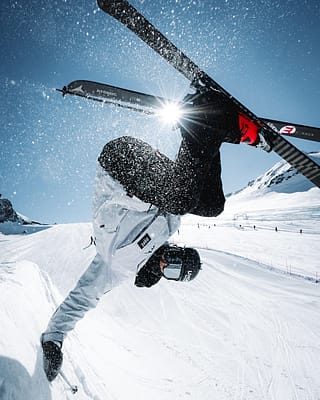
When you are at the point of adding grabs to your jumps, you might also be ready to learn how to hit boxes and rails in the park. Congratulations! You just took the first steps of your freestyle skiing career. Heck yeah!
FAQs
What is the most common mistake beginners make while jumping
A relatively common beginner mistake is leaning backwards and dragging tails instead of allowing the entire ski to lift off the ground. It's vital for both the timing of the jump and the position of the body to be correct for a successful ski jump.
How important is the role of speed in ski jumps?
Speed is crucial in executing a successful ski jump. Inadequate speed might result in not reaching the landing zone while excessive speed can lead to a loss of control. The key is to find a comfortable speed that allows for both lift and stability.
Check out some more of our awesome skiing styles here!