How to choose ski goggles and snowboard goggles
When it comes to goggles, there’s a lot of choice out there. Luckily, it’s pretty easy to sort the good from the bad when you know what you’re looking for and understand how to choose ski goggles and snowboard goggles. And even luckier for you, we’re sort of experts in this field…

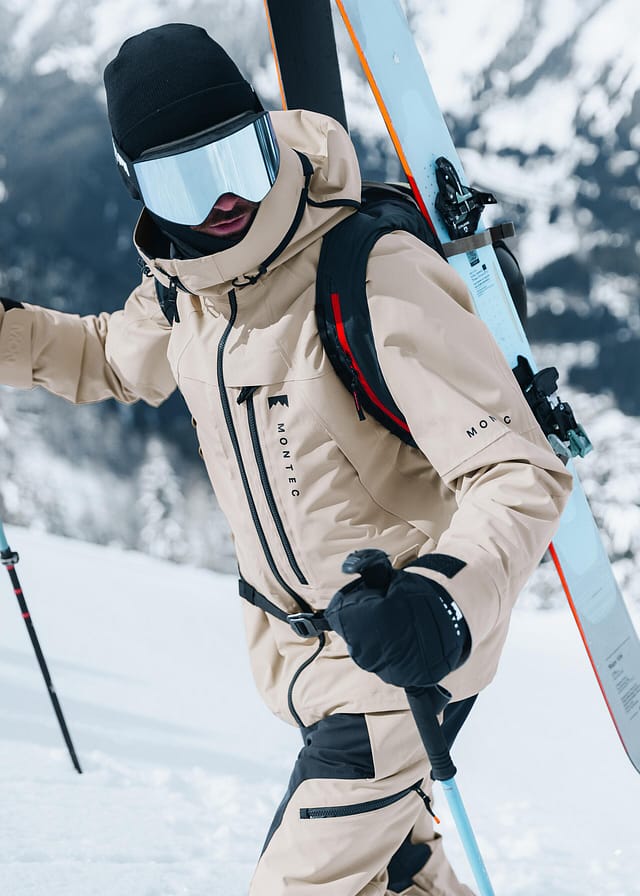
Goggles have always been an overlooked part of the ski setup. In fact, many first-time riders grab the cheapest pair they can find. They don’t quite get that quality matters when it comes to goggles. And this comes at a price.
So, while beginners are endlessly jamming their fleece sleeves into their goggles to clear the fog, you’ll be cruising with perfect clarity, glad your facemask is hiding your smug grin. Plus, we’ve rounded up the best tips and information to help you select the right pair of specs for your next adventure. So if you’re ready for an ocular upgrade, an eyesight overhaul, and, crucially, style superiority, let’s drop in.
Picking the right goggles for you
Goggle fit and comfort
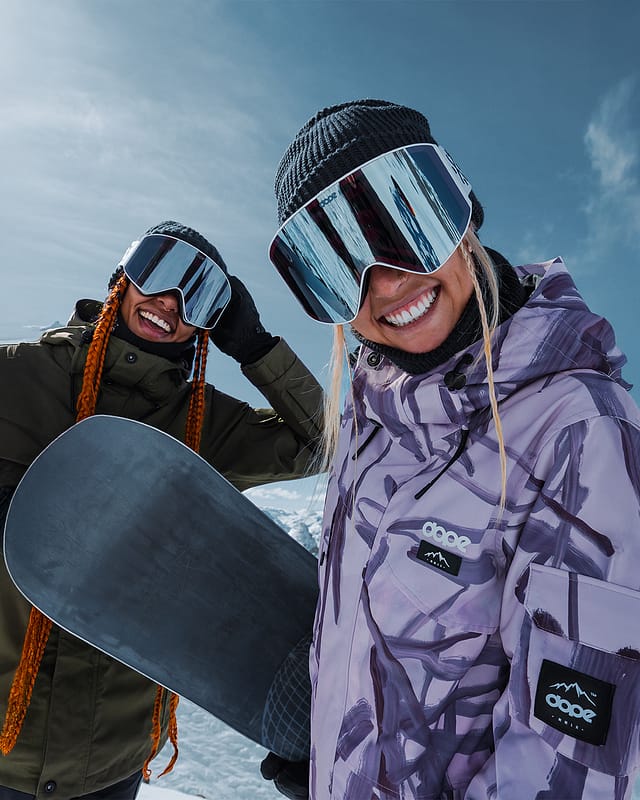
Getting the correct goggle fit is essential because you wear them all day, and they sit directly on your skin. Triple-layer foam helps mould the frame to your features, improves ventilation, and manages moisture, keeping the goggles comfortable through changing conditions. Soft TPU frames also improve fit because they’re super flexible.
You should also think about how your goggles pair with your helmet. They need to sit flush against the brim, with no gaps, while keeping the strap tension snug but not overly tight. A too-loose strap will slip, and one that’s too tight can distort the frame and affect comfort or ventilation.
Lens type and tint
Dual-layer lenses are standard in quality ski and snowboard goggles because they create a sealed air gap between the inner and outer lens. A good lens should also include an anti-glare or anti-reflective coating to cut down on harsh light bouncing off snow.
Lens tint also matters for comfort and safety. Many brands now use contrast-boosting tech, such as high-definition filters or specialised colour enhancement. These touches help you pick out bumps, shadows, and ice patches. You should always choose lenses with 100% UVA and UVB protection and an anti-scratch coating, too.
Interchangeable lenses
Magnetic lenses are quick and convenient, but they can pop out in a crash as the frame flexes. Quick-lock lenses that fix into the frame offer far better stability. They form part of the frame’s structure, staying put even under heavy impact, and creating a more airtight seal to keep moisture out.
Quick-lock lenses are slightly slower to change, but the boost in reliability and fog resistance is worth it on the mountain. Plus, you soon get used to changing them. Quick-lock lenses also tend to be a little cheaper to replace than magnetic lenses — another positive, since over time, lenses do get scratched up.
VLT
VLT, or Visible Light Transmission, tells you how much light passes through a lens. Lower VLT percentages — such as 9% to 20% — are ideal for bright days, as they block more light. Mid-range lenses — around 25% to 40% — work well in mixed conditions.
Higher VLT lenses (above 50%) are perfect for cloudy or flat-light days where you need more visibility. Clear lenses, which sit at around 80% to 90%, are the go-to choice for night skiing or indoor domes where maximum clarity is needed.
Lens colours
Lens colour can help you estimate a goggle’s VLT when the number isn’t listed. For example, pink, yellow and champagne tints usually fall in the higher VLT range, making them great for low- to medium-light conditions and boosting contrast when the snow looks flat.
Red lenses tend to be solid all-rounders for mixed weather. Black, silver-mirror, blue, and green lenses can have lower VLT ratings because they use heavier tints or mirrored coatings. These coloured lenses are best for bright, sunny days when you need to reduce glare and protect your eyes from harsh light.
Important goggle features
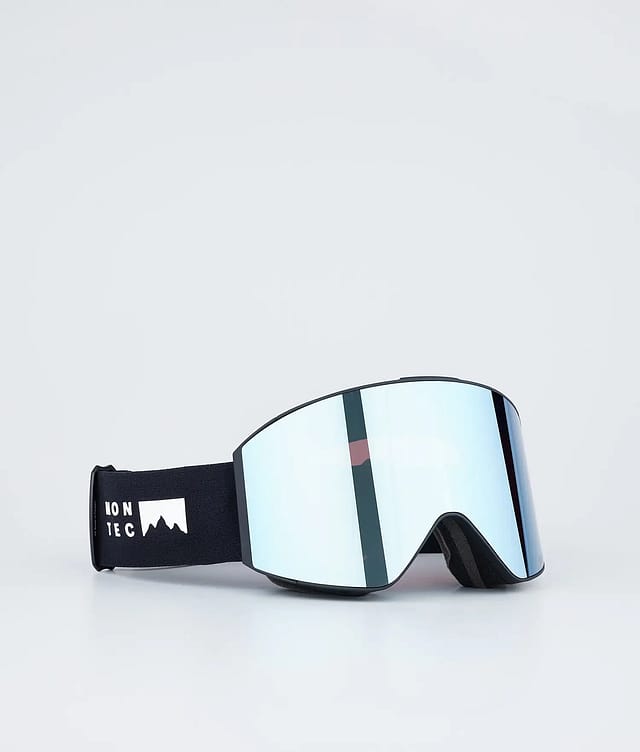
Choosing the right goggles is not just about lens colour or style. The small details make the biggest difference on the mountain and play a role in how comfortable you are and how clear your vision is throughout the day.
Vents
Ventilation is one of the most important features in a good pair of ski goggles. Most models have intake vents at the top and exhaust vents at the bottom. This combo keeps air circulating through the frame as you ride, preventing your lens from fogging up.
This airflow removes warm, humid air before it can condense on the lens, which helps prevent misting. To keep your vents working properly, though, make sure your beanie, hood, or facemask isn’t blocking the vents. Even a small obstruction can disrupt airflow, leading to quick fog buildup. And once it does, it can be tough to clear away!
Anti-scratch coating
Goggle lenses are designed to be lightweight. That means they can sometimes scratch more easily than sunglasses. A solution? Many brands add an anti-scratch coating to the outer lens. This doesn’t make the lenses indestructible, but it does help protect against minor scuffs from snow, ice, and accidental knocks.
Being scratch-free keeps your field of vision clear for longer and helps extend the lifespan of the goggles. To get the most out of the coating, store your goggles in their case and only clean them with a microfibre cloth.
Strap
A decent goggle strap should be wide, comfortable, and easy to adjust, even with gloves on. Silicone grip on the inside keeps the strap secure on your helmet so it doesn’t slide around while riding. The correct tension should feel snug but never tight.
If the strap is overtightened, it can cause pressure points on your face. And a loose strap can lead to gaps that let in wind and snow. A balanced, even fit gives the best seal and the most comfort.
Helmet compatibility
Your goggles should sit flush against your helmet with no gap between the top of the frame and the helmet shell. This prevents cold air from hitting your forehead and reduces the chance of fogging. When the fit is right, the goggles seal naturally to your face and match the curve of the helmet.
Some riders like to wear their goggles over a beanie and under a helmet. This is fine, but you might find that the back of the helmet pushes your strap down on the back of your neck and the goggles tilt ‘backwards’, which is never good. For the best fit, go over the helmet. It’s how they’re designed, after all.



Caring for your goggles
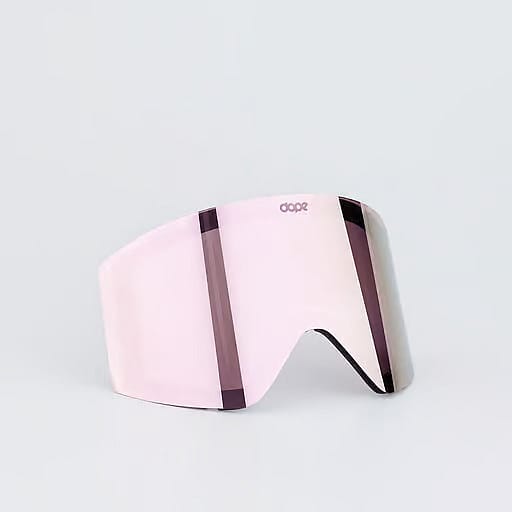
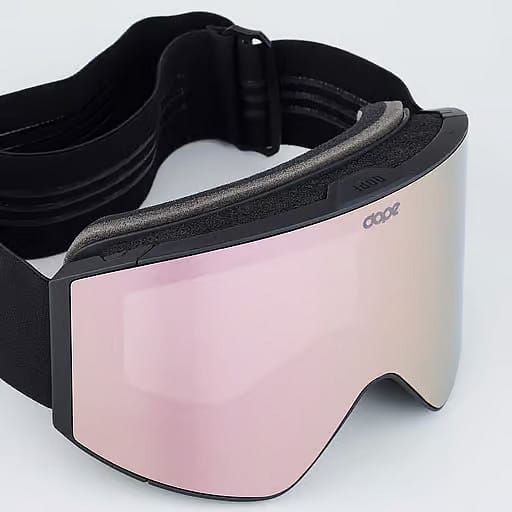
Most lenses have an oleophobic coating that resists oils and fingerprints. So, you should only clean them with a microfibre cloth or the soft pouch the goggles arrive in. Avoid cleaning with paper towels, clothing, or gloves since they can scratch the lens. Oh, and never use your fingers – they have oils that smear and damage the anti-fog coating inside. If snow gets inside the lens, shake it out and let it air-dry rather than wiping it.
When drying your goggles, leave them somewhere warm and well ventilated, but never on a radiator or a direct heat source. This can warp the frame or damage the lens. Pop the lens out if possible to help airflow and speed up drying. Once your goggles are completely dry, store them in their case or bag to protect them from dust and scratches.
Top goggle picks for the season


FAQs
Goggles are one of the most important parts of your ski setup, so it’s worth knowing how to look after them and when to upgrade. These quick answers cover the most common questions riders ask us.
When should I replace my goggles?
Replace goggles when the lens coating is scratched, peeling, or fogging more easily than before. If the frame is cracked or the foam is compressed and no longer sealing properly, it’s also time to replace them. Most riders upgrade their goggles every few seasons.
How to prevent fogging?
Keep your vents clear and never wipe the inside of the lens. Make sure the goggle and helmet fit together without gaps. Let snow melt and air-dry naturally rather than touching it. And, lastly, store goggles somewhere dry between sessions. Easy.
How do I change my lenses?
For lens-lock systems used by brands like Montec and Dope Snow, push the top of the frame up to release the lens, then peel it out gently. When installing a new lens, start by seating it around the nose bridge before working outward. Never force it.
How tight should goggles be?
Goggles should feel snug without squeezing. The strap needs enough tension to keep the frame sealed to your face, but not so much that it causes pressure points. A well-fitted pair of goggles stays in place when you shake your head but still feels comfortable.
Wrapping up
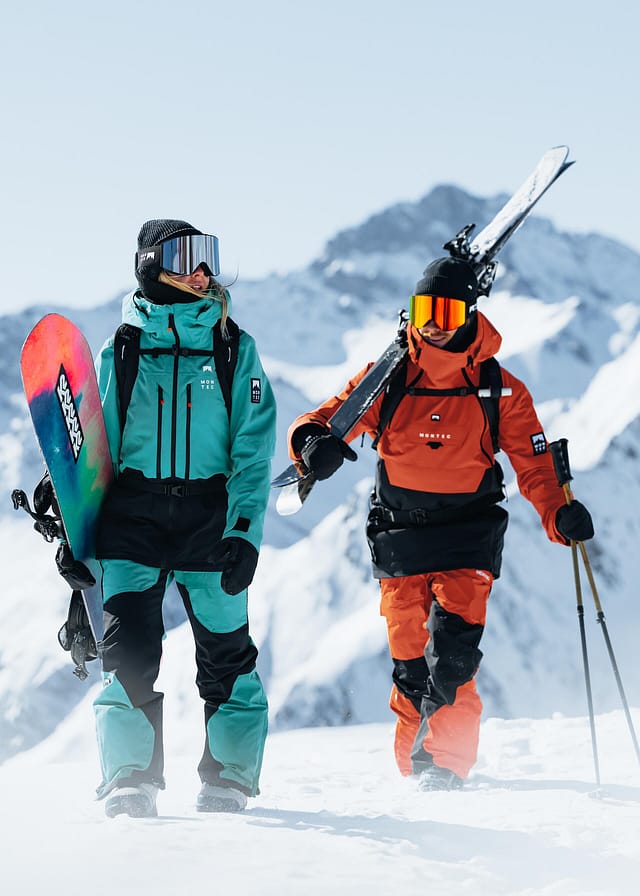
Choosing the right ski goggles comes down to fit, lens performance, and the features that keep your vision clear in all conditions. So, prioritise comfort, ventilation, and a lens that suits the light you ride in most. With proper care and setup, your goggles will keep you confident and comfortable on every run.
Love this article or want to know more about ski and snowboard goggles? Hit us up at crew@ridestore.com, and we’ll gladly answer any questions you have!
Related reading: