How to choose the best ski gloves & snowboard gloves
You might think choosing ski and snowboard gloves is pretty simple. But with choices at every turn, there are a fair few factors to consider. If you’re wondering how to choose ski gloves, our guide breaks it all down – from gloves vs mittens to insulation and liners. There’s a lot to go through, so dig into our handy guide today. See what we did there?

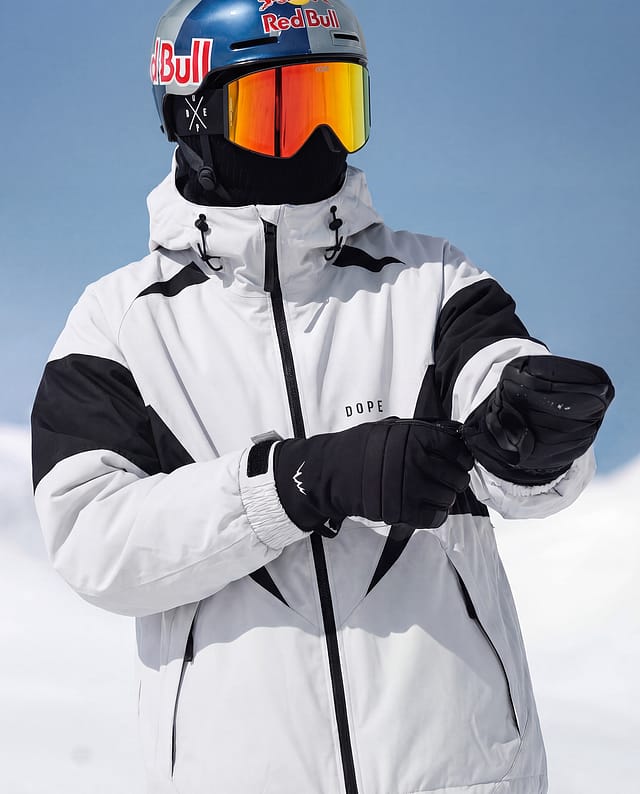
If you don’t know it already, choosing any ski or snowboard gear is a bit of a minefield. We all yearn for our first ski trip, when you could look at something and say, “Yeah, that’ll probably work.” But reality sets in quickly.
As you know by now, there’s always more than meets the eye when it comes to ski and snowboard stuff, and gloves are no exception! So, we’ve put together this great little guide to give you the knowledge and confidence you need to pull the trigger on the right pair of mitts (or gloves) this winter.
Picking the right snow gloves
Types of snow gloves
Warmth and insulation
Waterproofing
Size and fit
Glove features
Choosing the right gloves for different types of skiing & riding
Types of snow gloves
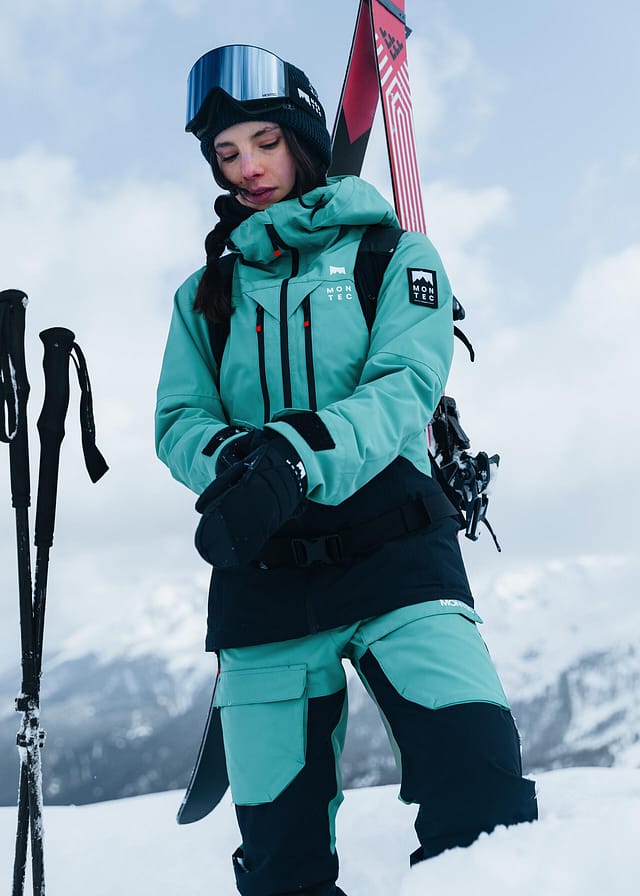
Ski gloves come in a few main styles, and each type excels in different scenarios, offering various benefits depending on how you ride. Quite often, though, which type you choose comes down to preference. There are three main types of gloves: five-finger gloves, mittens and liner gloves. Every rider has a favourite, so let’s check them out below.
Gloves
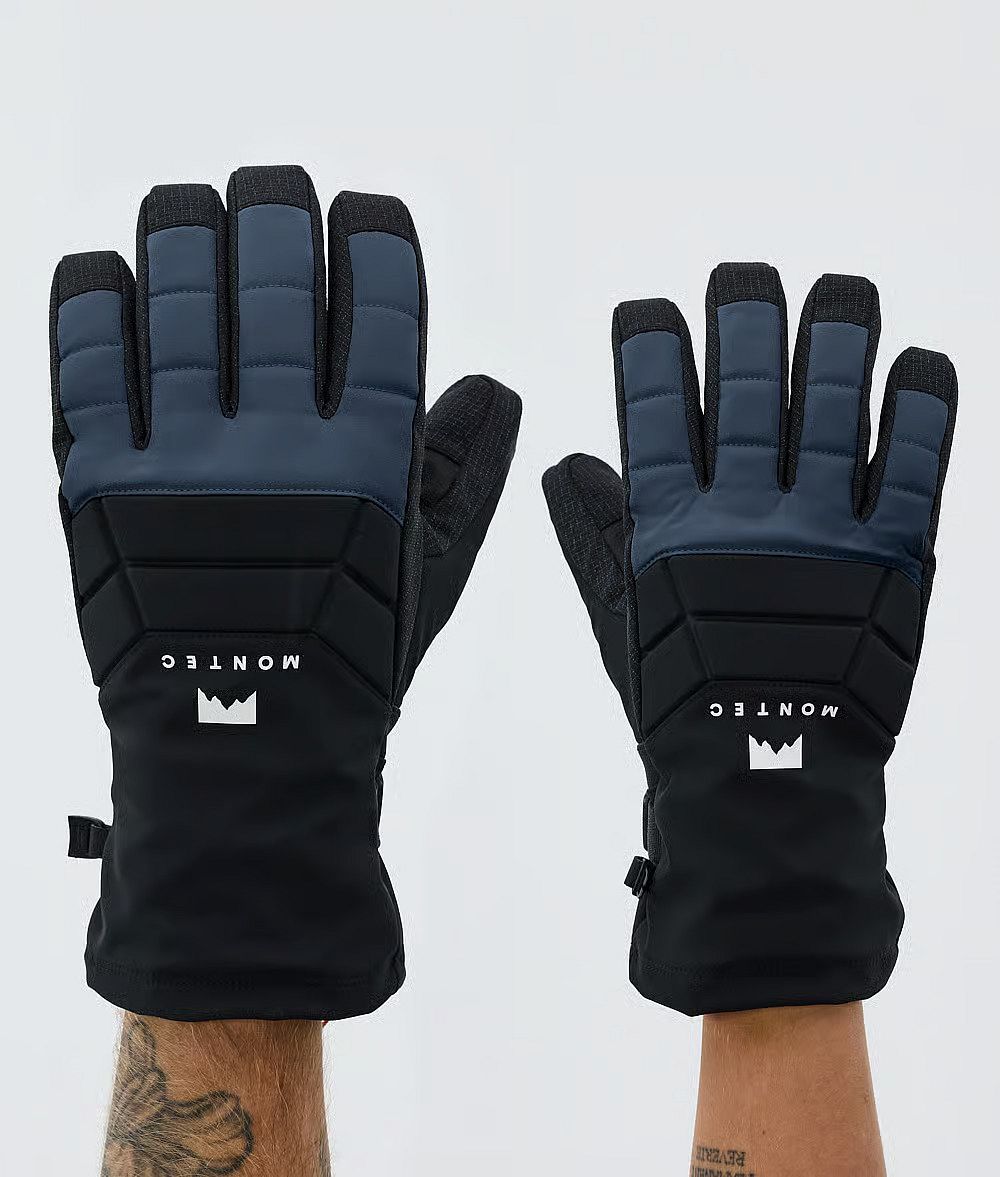
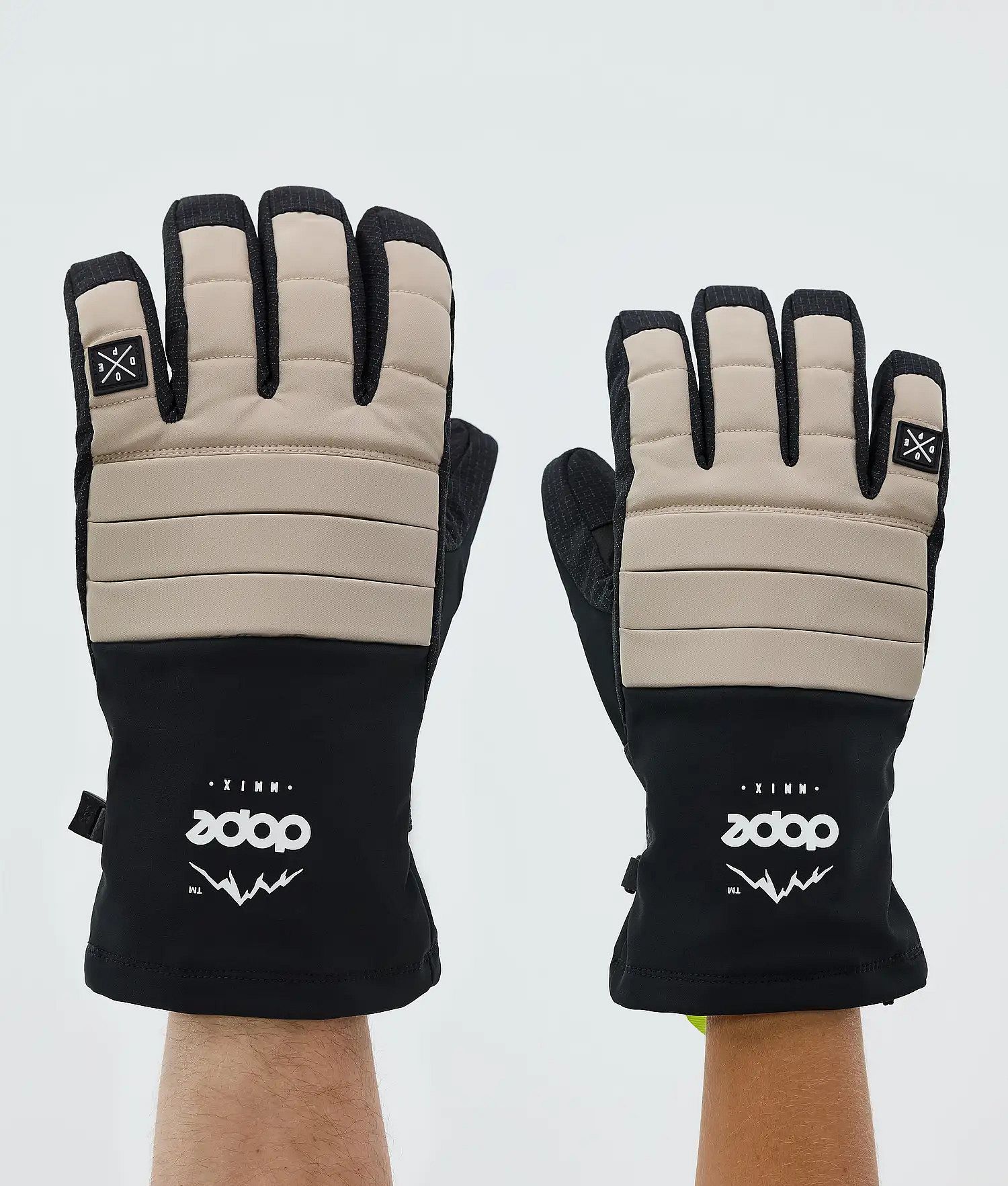
Traditional gloves use separate fingers to give you flexibility and control. They are ideal if you need precision for tightening bindings, using your phone (if they’re smartphone-compatible), or doing anything that requires finger dexterity.
Most modern ski and snowboard gloves combine synthetic insulation, waterproof membranes, and durable outer fabrics. This combo keeps you warm and dry while letting you move freely. Traditional gloves are an awesome all-round choice for most riders and perform in a wide range of conditions.
Mittens
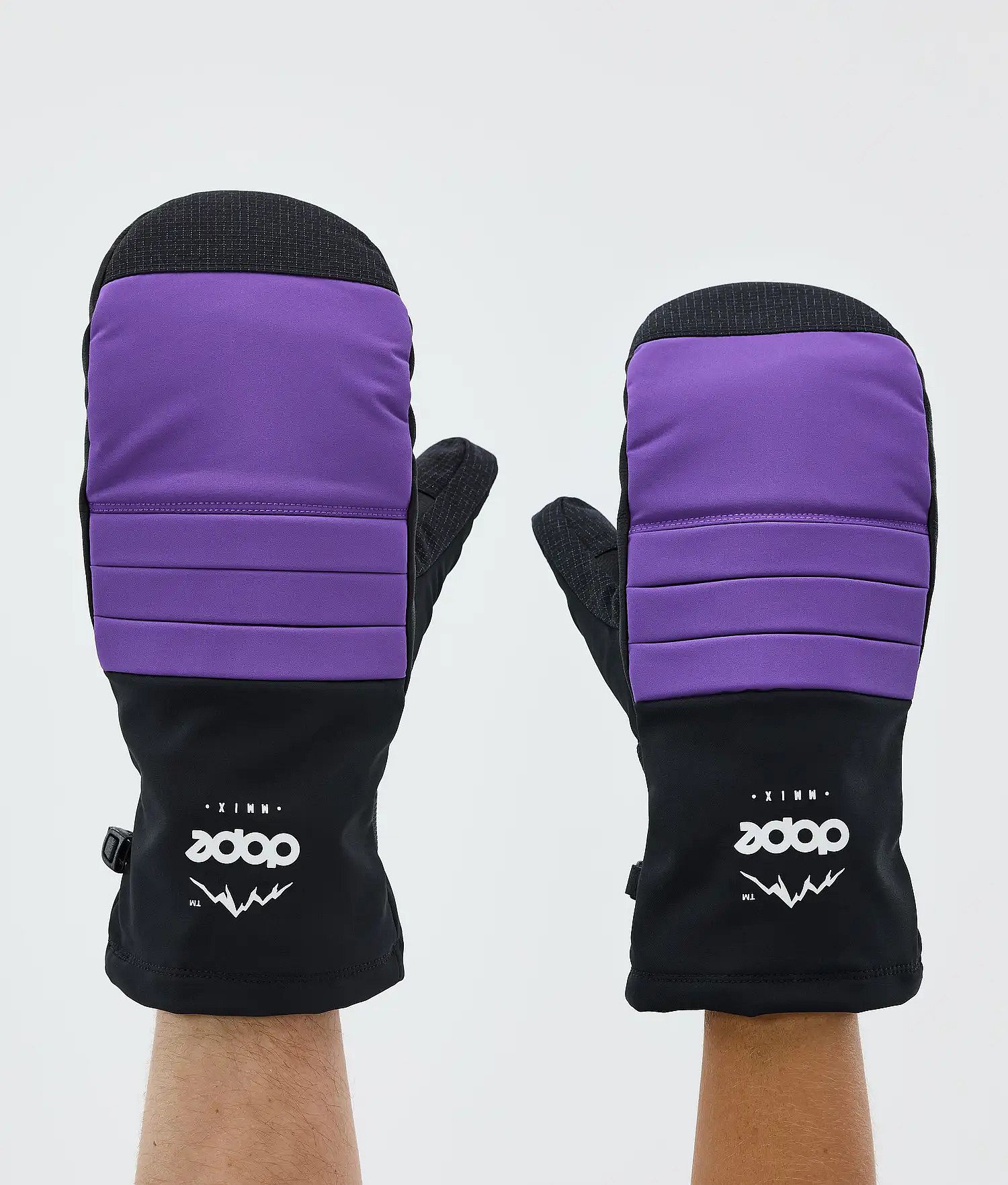
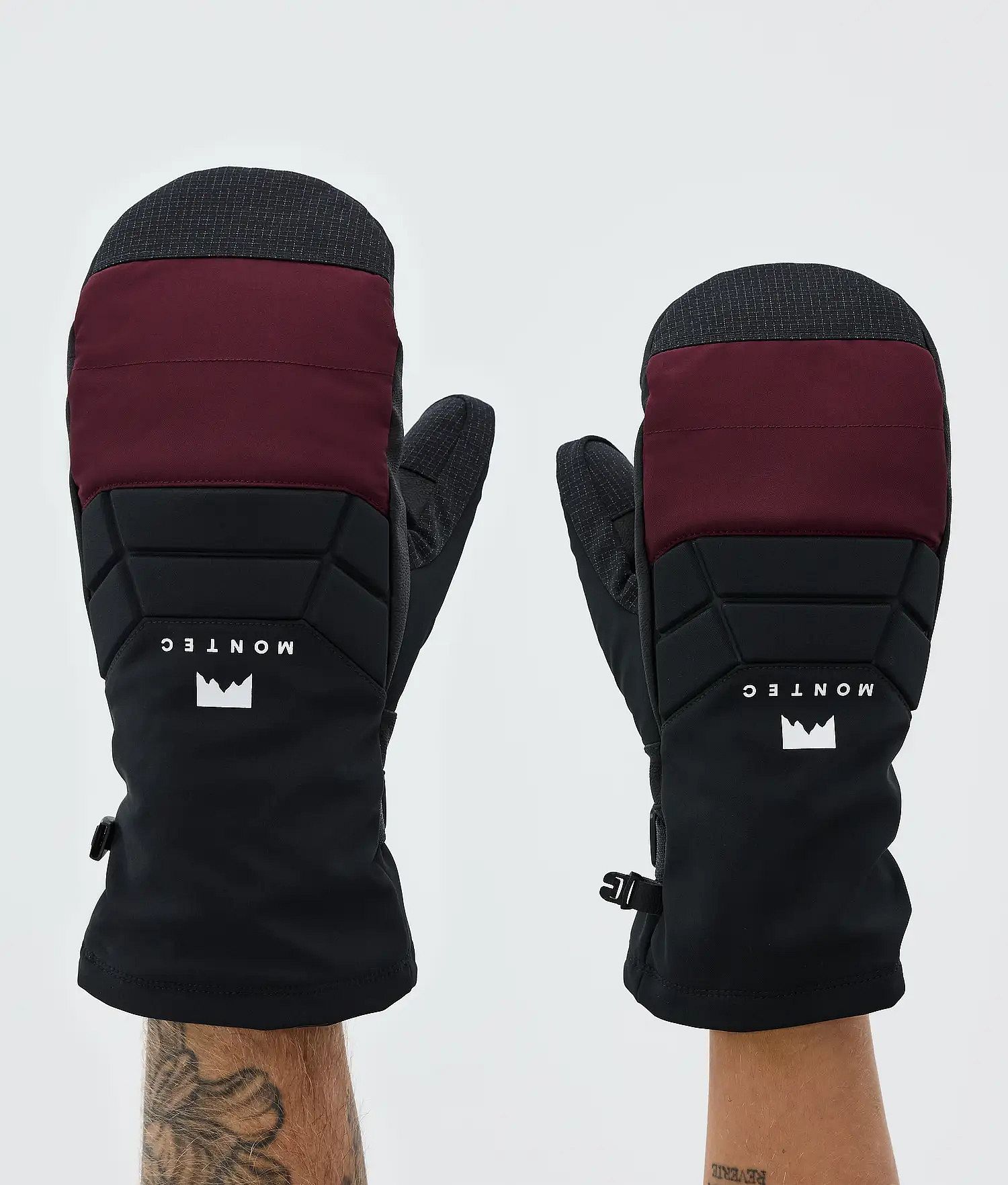
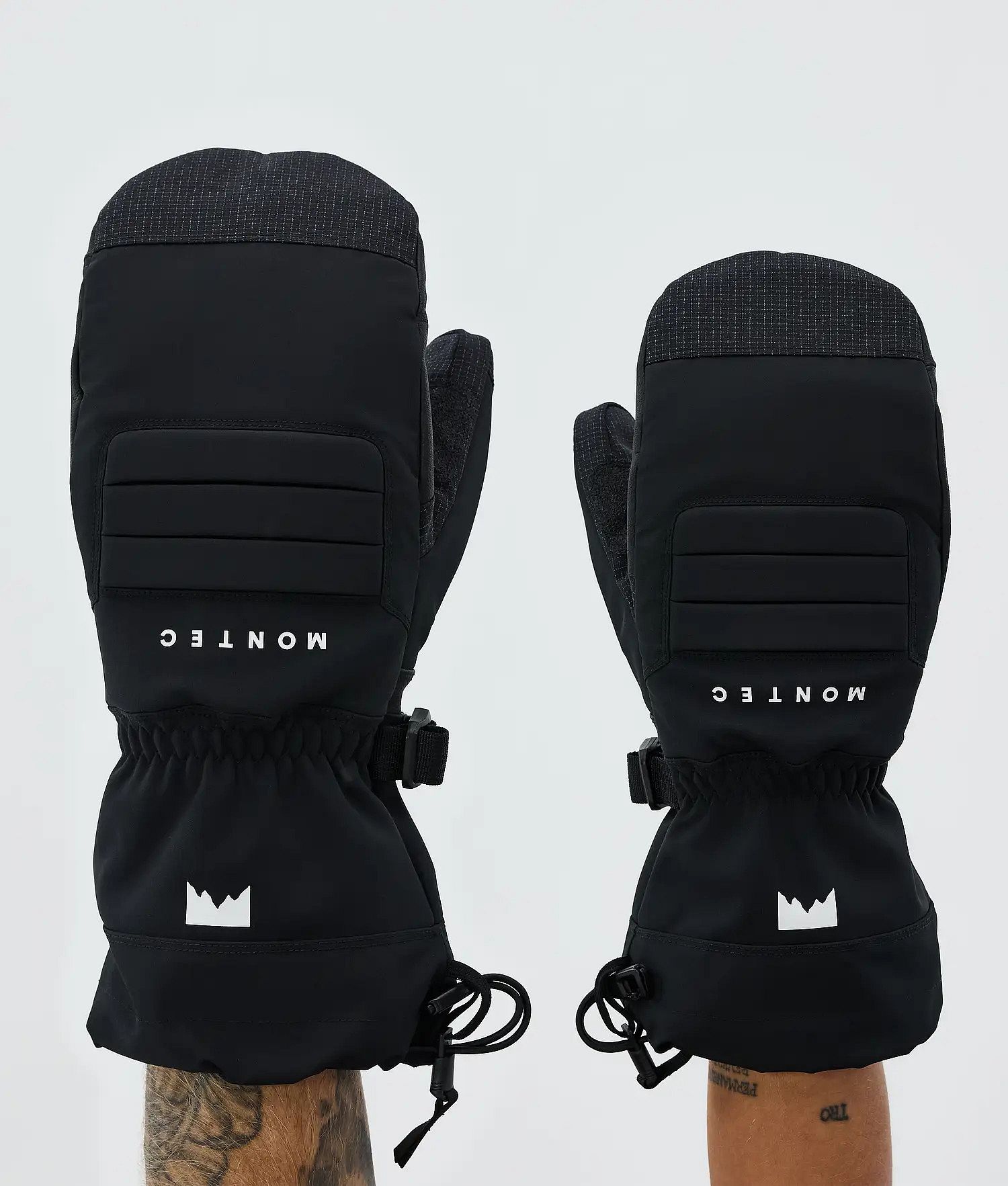
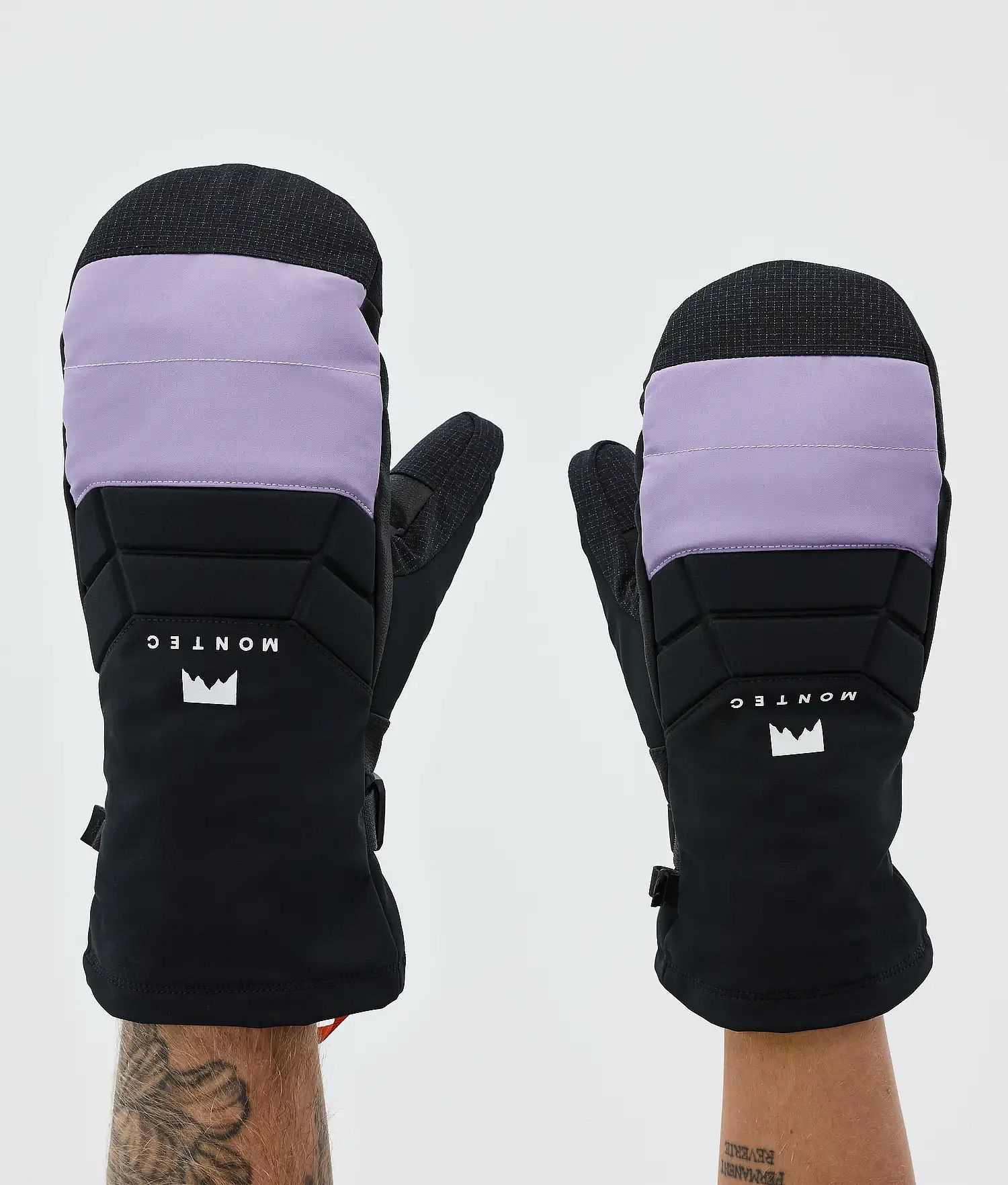
Mittens offer the highest level of warmth because your fingers share heat inside a single compartment. They are especially useful for cold-sensitive riders or those who shred in freezing or windy climates.
Okay, mittens reduce dexterity slightly compared to gloves. However, many modern designs use pre-curved shapes, grippy palms, and adjustable closures to balance comfort and control. This means mittens remain the top pick for deep winter conditions or for anyone who prioritises warmth over fine-tuned finger movement.
Liner gloves
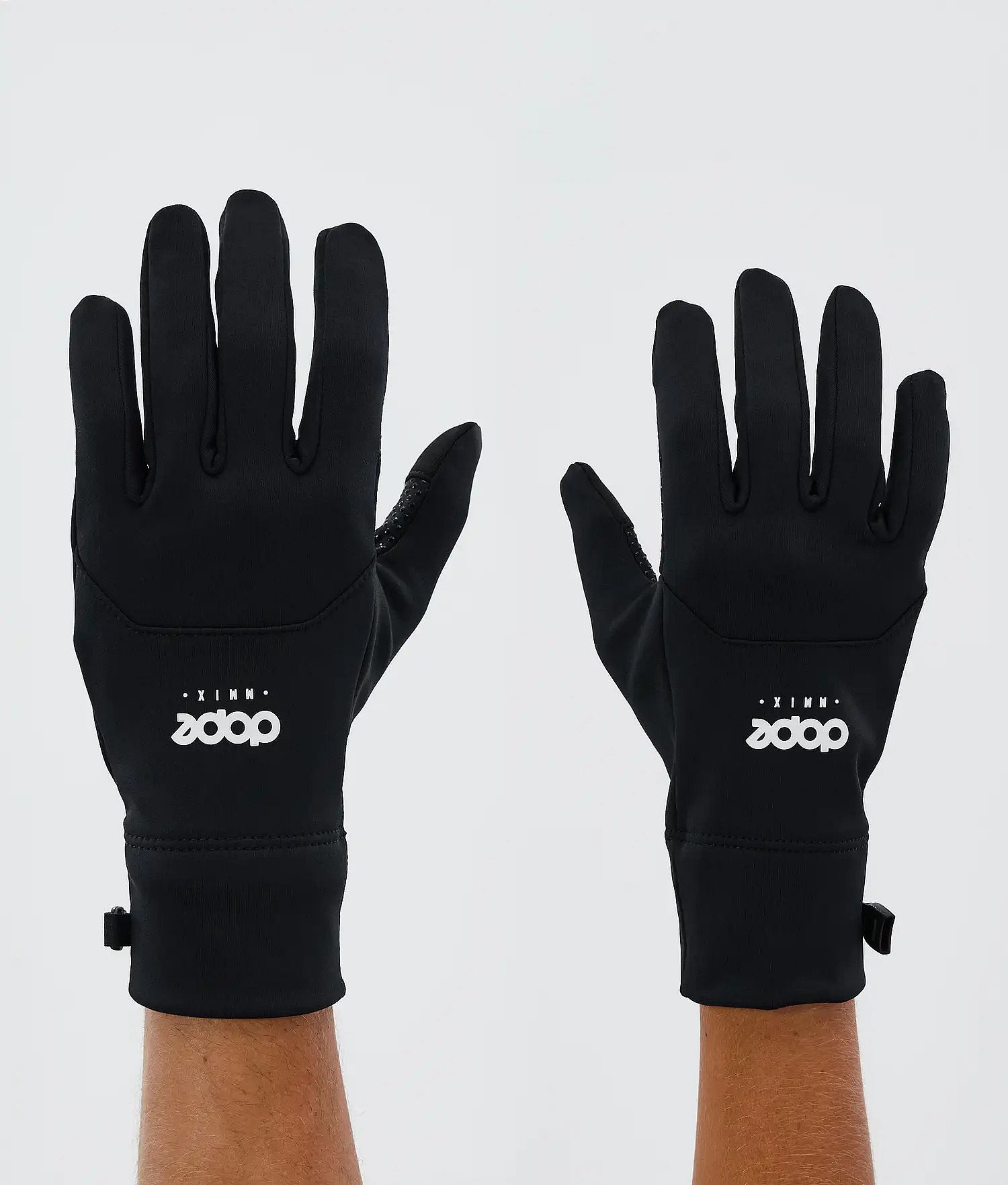
Liner gloves are thin, breathable layers worn inside gloves or mittens for extra warmth. Liners are usually made from moisture-wicking materials, such as polyester or merino. These materials help regulate temperature and keep your hands dry.
Liners also come in handy for tasks like taking photos, handling lift passes, or walking around the resort when you don’t want bulky gloves on. They’re also great for ski touring and splitboarding, where quick transitions and dexterity matter. Liners are a simple way to make your gloves or mittens warmer or to prevent chills between descents.
Warmth and insulation
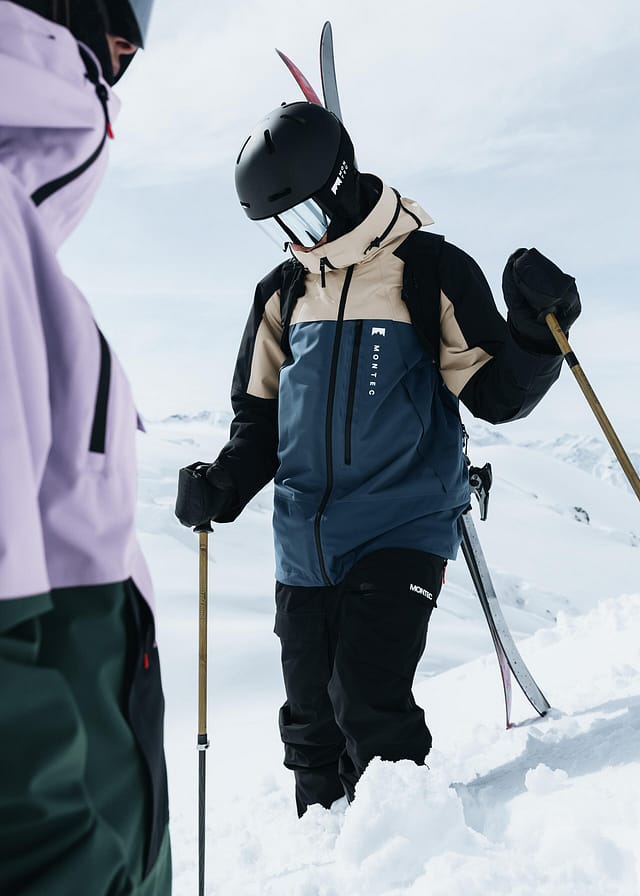
The warmth of a glove or mitten depends on the type and weight of insulation, as well as the glove’s construction. Most ski gloves use synthetic insulation because it stays warm when wet and dries quickly. Thicker insulation offers more heat, while lighter insulation suits active riders who run warm.
Some gloves use mapped insulation, putting more warmth on the back of the hand and less on the palm to help improve grip and comfort. Get cold easily? Insulated gloves or mittens are the better choice. More of a high-tempo, energetic rider or spend time hiking? Lightly insulated or shell-style gloves paired with liners keep you comfortable without overheating.
Waterproofing
Moisture cools the skin rapidly, so waterproofing is essential for making sure your hands stay warm. However, it’s not just water getting in that’s an issue. Hands sweat a lot, so it’s important to have a glove that’s both waterproof and breathable. Some brands use a plastic membrane inside, but this can lead to sweat buildup. As a solution, most brands opt for waterproof shell materials to balance waterproofness and breathability and combine them with a DWR treatment for extra waterproof protection.
The glove’s palm is likely to be more waterproof than the back. That’s to prevent snow and moisture from seeping in when you put your hand down. However, sweat can still escape through the back of the glove, keeping your hands dry all day.
Size and fit
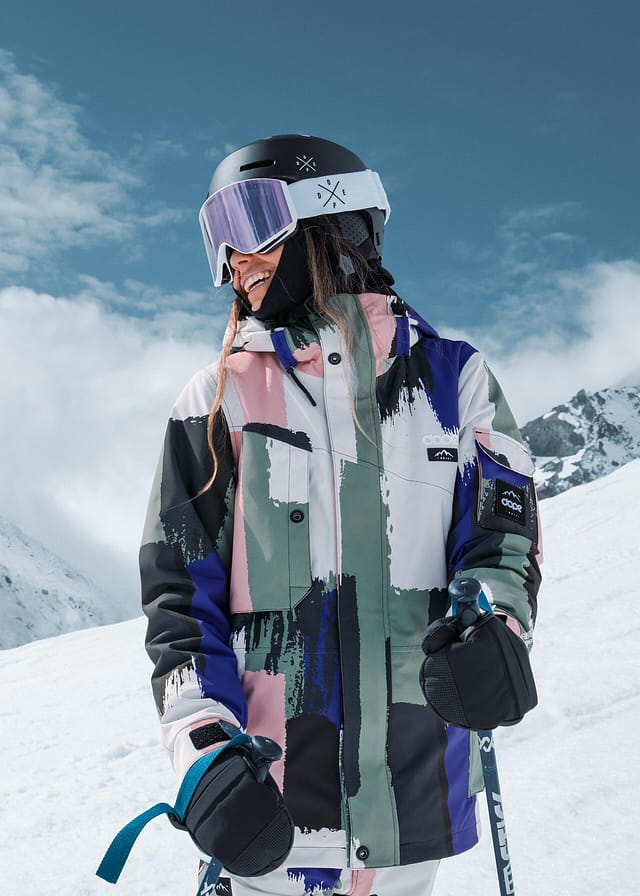
The right fit is crucial for warmth and control. Gloves that are too tight restrict circulation and make you feel cold. However, gloves that are too loose reduce dexterity and allow warm air to escape.
A good way to check your size is by fully extending your fingers. They should be close to, but not pressing against, the ends of the gloves. If you choose mittens, make sure there is space for your fingers to move comfortably. That way, they can generate heat by getting the blood flowing!
Glove features
While warmth and waterproofing are non-negotiables, you want to look for a few extra glove features to keep you comfy. Good ski gloves come with features that improve comfort, durability, and performance on the mountain.
Because gloves are a personal choice, some riders prefer simple gloves that don’t do anything fancy. Other riders prefer a glove built for the toughest days. Nevertheless, let’s look at features that help you around the mountain.
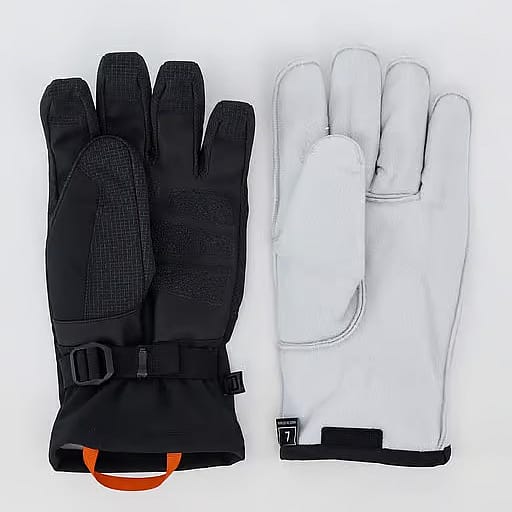
Removable liners
Removable liners add versatility. They let you adjust insulation to suit the weather, improve drying time at the end of the day, and reduce bulk inside the glove because the inner and outer layers can move independently.
Removable liners also let you swap them for thicker or thinner ones, depending on how warm you run. For multi-day trips or changing conditions, removable liners are one of the most useful upgrades.
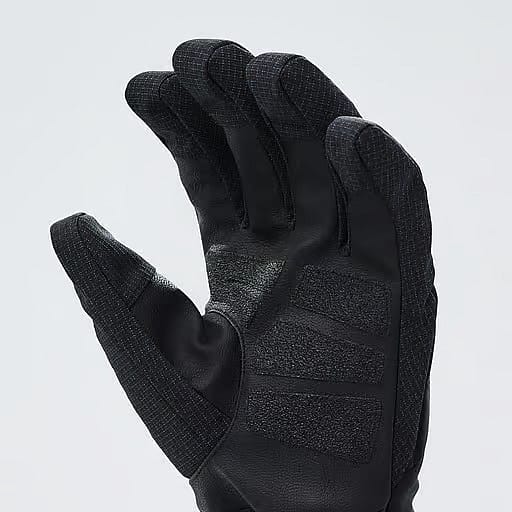
Non-slip palm
A non-slip palm improves grip on poles, chairlift bars, bindings, and gear. Most gloves use textured TPU or rubberised patterns that stay grippy even in wet or icy conditions.
This added traction makes everything from pushing on flat sections to adjusting boots easier, especially when temperatures drop and snow starts sticking to surfaces. Durable palms also help extend the glove’s lifespan by preventing nicks and cuts in the glove’s protective shell.
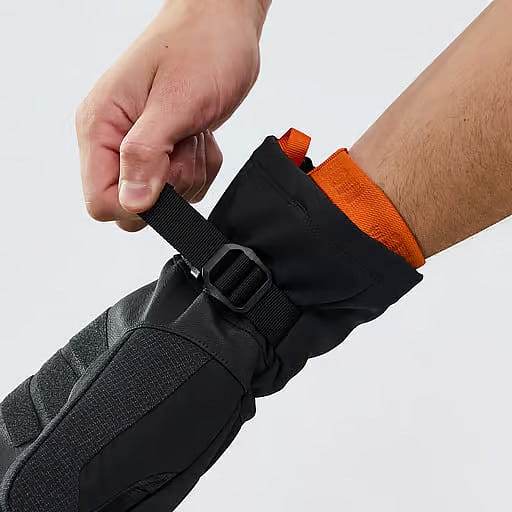
Wrist closure
A wrist closure seals in warmth and prevents snow from sneaking in during falls or deep-snow days. Adjustable cuffs let you fine-tune the fit and work with either under-cuff or over-cuff jacket styles.
A secure closure also improves comfort by fixing the gloves in place while you ride. Whether it’s a Velcro strap, an elastic cuff, or a buckle system, the key is finding a snug yet comfortable seal.
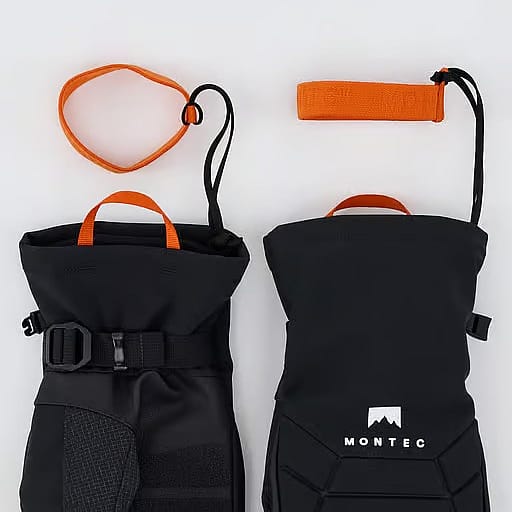
Wrist/Safety strap
A safety strap (sometimes called a leash) keeps your gloves attached to your wrist when you take them off on the lift or while adjusting gear. These simple additions prevent accidental glove drops and make life much easier on busy chairlifts.
Safety straps are especially useful for mittens or bulkier gloves, which can be harder to hold on to when stopping to take photos or check your phone. Once a strap is secure, just pop your gloves off and let them hang. This feature is great for cooling off quickly after a big descent!
Choosing the right gloves for different types of skiing & riding
For resort riders and beginners, warm gloves are best. Look for a glove with synthetic insulation or a removable fleecy liner to keep you toasty on the mountain, especially on cold lift rides. If you ski or snowboard actively, hike for turns, or spend time in the backcountry, lightly insulated or shell-style gloves offer better temperature control, improved breathability, and more dexterity.
Gloves vs. mittens - which is right for you?
When it comes to the mittens vs. gloves debate, that’s down to preference. If you need the dexterity gloves offer, then they’re a must! However, if you prefer simplicity, mittens are likely the best choice. Whatever you choose, get something warm, waterproof, and durable. Gloves and mittens go through more punishment than you think!
Top gloves and mittens for this winter
Wrapping up
Gloves can be a tough one to wrap your head around. But, hopefully, you’ve now got a much better grip on the subject. And you’re ready to choose the best gloves or mittens for your next trip.
Love this article or need to know more about picking the right gloves for you? Hit us up at crew@ridestore.com. We’re always stoked to help out!
Related reading: